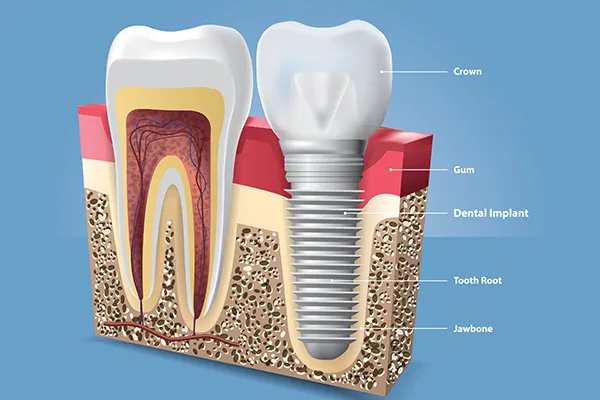
Dental implants are small, biocompatible posts that are placed in the jawbone to replace missing tooth roots. Once positioned, they support a custom restoration such as a crown, bridge, or denture. This structure allows dental implants to function much like natural teeth, providing strength for chewing and a natural-looking appearance.
Dental implants also help preserve bone density in the jaw. When a tooth is lost, the underlying bone may begin to shrink over time due to lack of stimulation. Because dental implants fuse with the jawbone through a process called osseointegration, they help maintain the structure of the bone and support long-term oral health.
Treatment typically involves several stages, including a consultation, implant placement, healing time, and final restoration. The process is carefully planned to ensure optimal results and long-term stability.
Many patients with missing teeth may qualify for dental implants, but certain factors help determine whether someone is an ideal candidate. A thorough evaluation by one of our implant dentists is necessary to assess oral health, bone structure, and overall readiness for treatment. Key qualities of strong dental implant candidates include:
Healthy gums: Gum health plays an important role in supporting the implant and promoting proper healing after placement.
Adequate jawbone density: Sufficient bone is needed to secure the implant. In some cases, procedures that rebuild bone structure may be recommended before treatment.
Good overall health: Certain medical conditions may affect healing, so a patient’s general health is considered during evaluation.
Commitment to oral hygiene: Maintaining consistent brushing, flossing, and regular dental visits helps ensure long-term implant success.
Non-smoking or willingness to quit: Smoking may interfere with healing and affect the integration process.
Even if a patient does not initially meet every requirement, modern dentistry offers solutions that may help expand eligibility. Bone grafting, periodontal treatment, or other preparatory procedures often make dental implants possible for more individuals.
02
Common Questions About Implant Eligibility
Patients often have questions about whether they qualify for dental implants. Understanding common concerns can help clarify what to expect.
03
Is Age a Limiting Factor?
Dental implants are suitable for adults of many ages. As long as jaw growth is complete and oral health conditions are properly managed, age alone does not usually prevent treatment.
04
What if I Have Missing Bone in My Jaw?
Bone loss does not always eliminate eligibility. Procedures that strengthen or rebuild the jawbone may help create a stable foundation for implant placement.
05
Can Patients With Existing Dental Restorations Receive Implants?
Yes, individuals with bridges, dentures, or other restorations may still qualify. Dental implants can sometimes replace or enhance existing restorations for improved stability.
06
How Does Oral Health Affect Eligibility?
Conditions such as gum disease or untreated decay may need to be addressed before implant placement. Treating these issues helps create a healthier environment for successful healing.
07
Is the Evaluation Process Complicated?
A consultation typically includes a review of medical history, examination of the teeth and gums, and imaging to assess bone structure. This allows the dentist to determine candidacy and develop a personalized treatment plan.
Explore More
All dental services
Next Steps
Schedule your consultation
Determining whether dental implants are right for you begins with a professional evaluation at Highridge Dental Care. If you are considering dental implants, scheduling a consultation is the best way to learn more about your eligibility. We can be reached by calling (916) 350-4988.